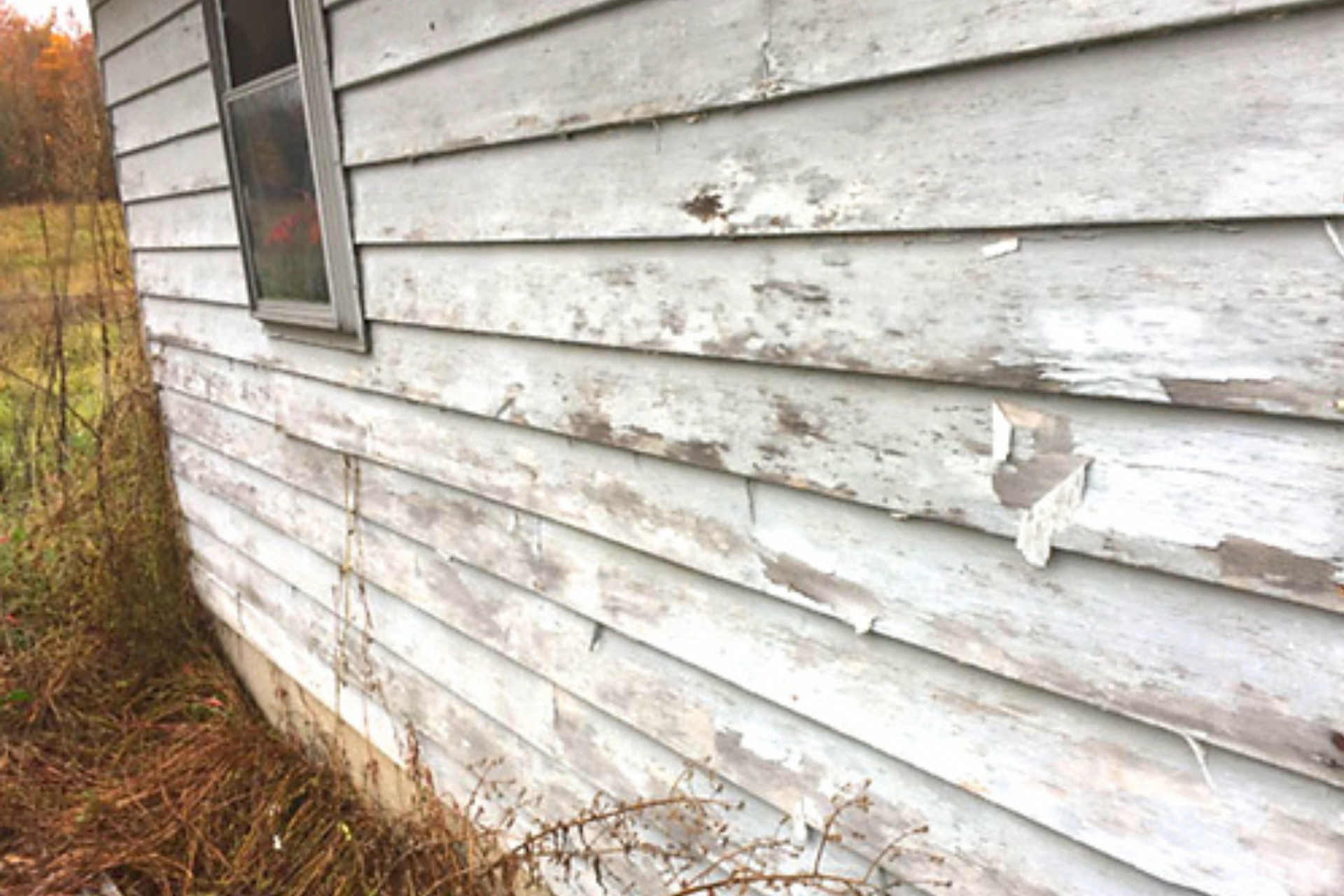
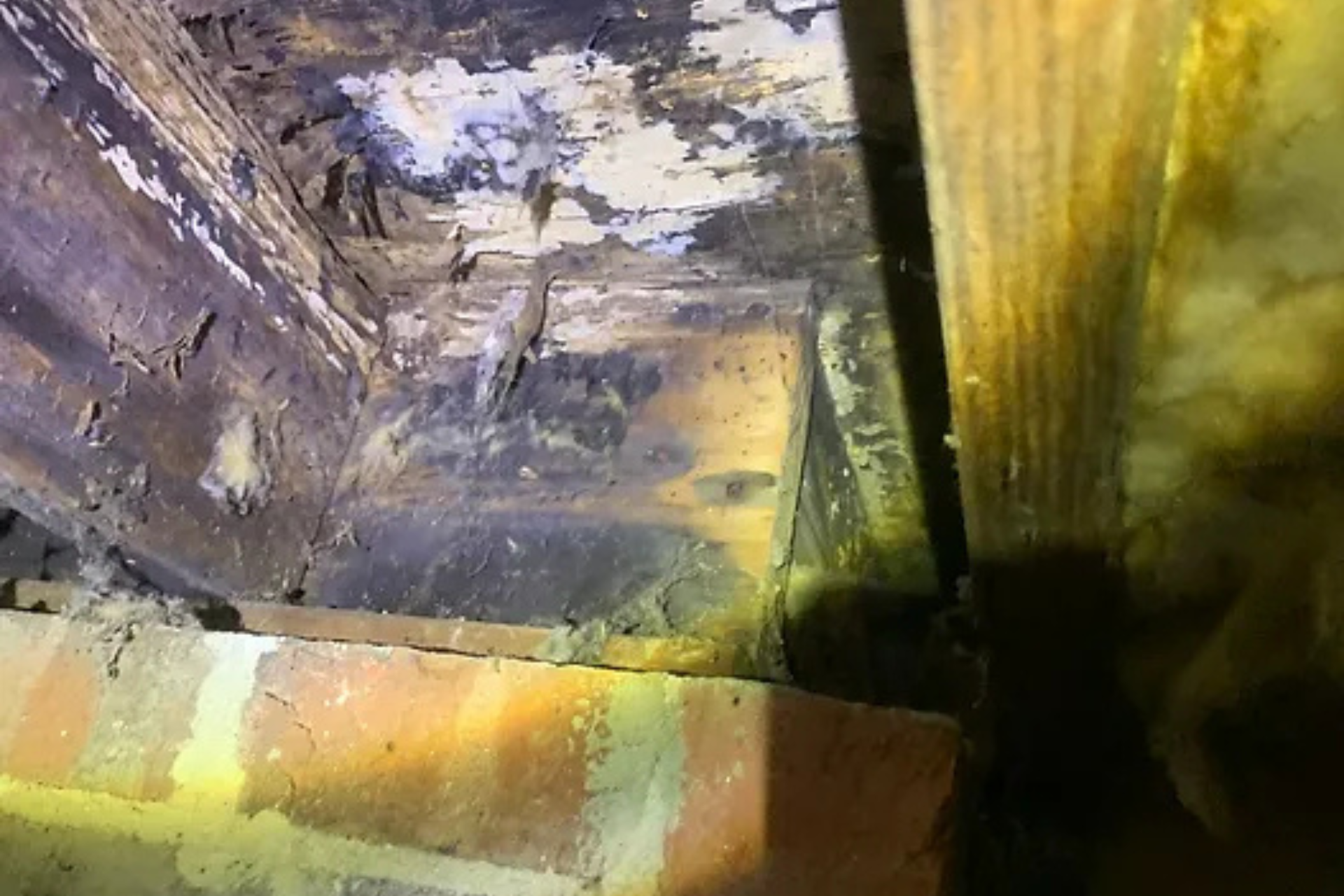
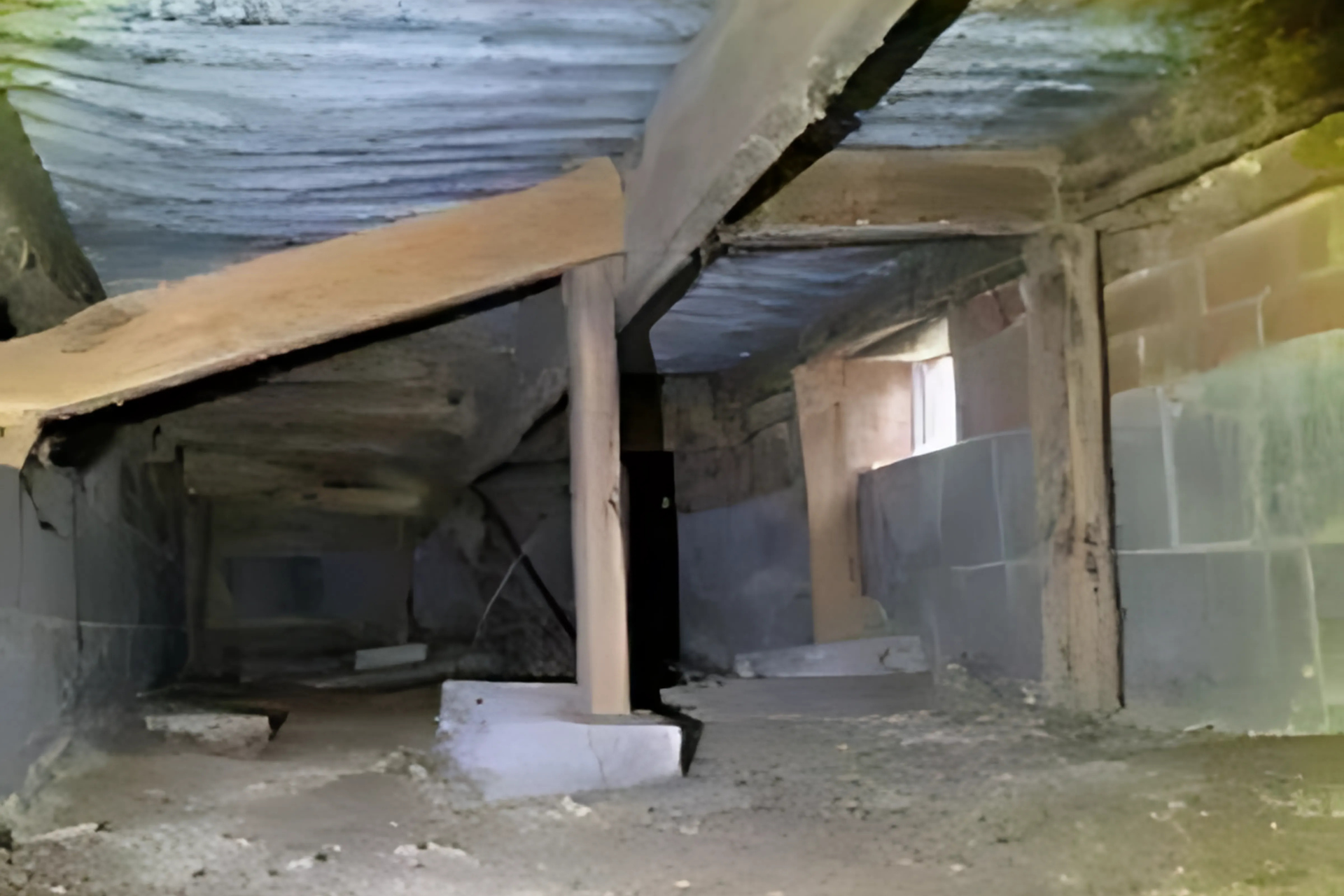
Even newly built homes can have missing insulation, framing issues, plumbing or electrical concerns, improperly installed components, drainage problems, HVAC deficiencies, and workmanship issues that may not be obvious after construction is complete.
That is why many buyers choose to have an independent
new construction home inspection before closing.
At
Pait Inspections, we help homeowners and buyers throughout
Wake Forest, Raleigh, Rolesville, and surrounding areas of North Carolina identify potential issues during critical stages of construction.
What Is a New Construction Home Inspection?
A new construction inspection is an independent evaluation of a newly built home performed on behalf of the buyer.
The builder and local municipality may conduct inspections during construction, but those inspections serve a different purpose. An independent home inspector looks at the home from the buyer's perspective and evaluates the systems and components that will ultimately become the homeowner's responsibility.
For many new construction homes, there are two especially important opportunities for inspection:
- Pre-drywall inspection
- Post-drywall or final inspection before closing
Each inspection provides a different opportunity to catch problems.
What Is a Pre-Drywall Inspection?
A
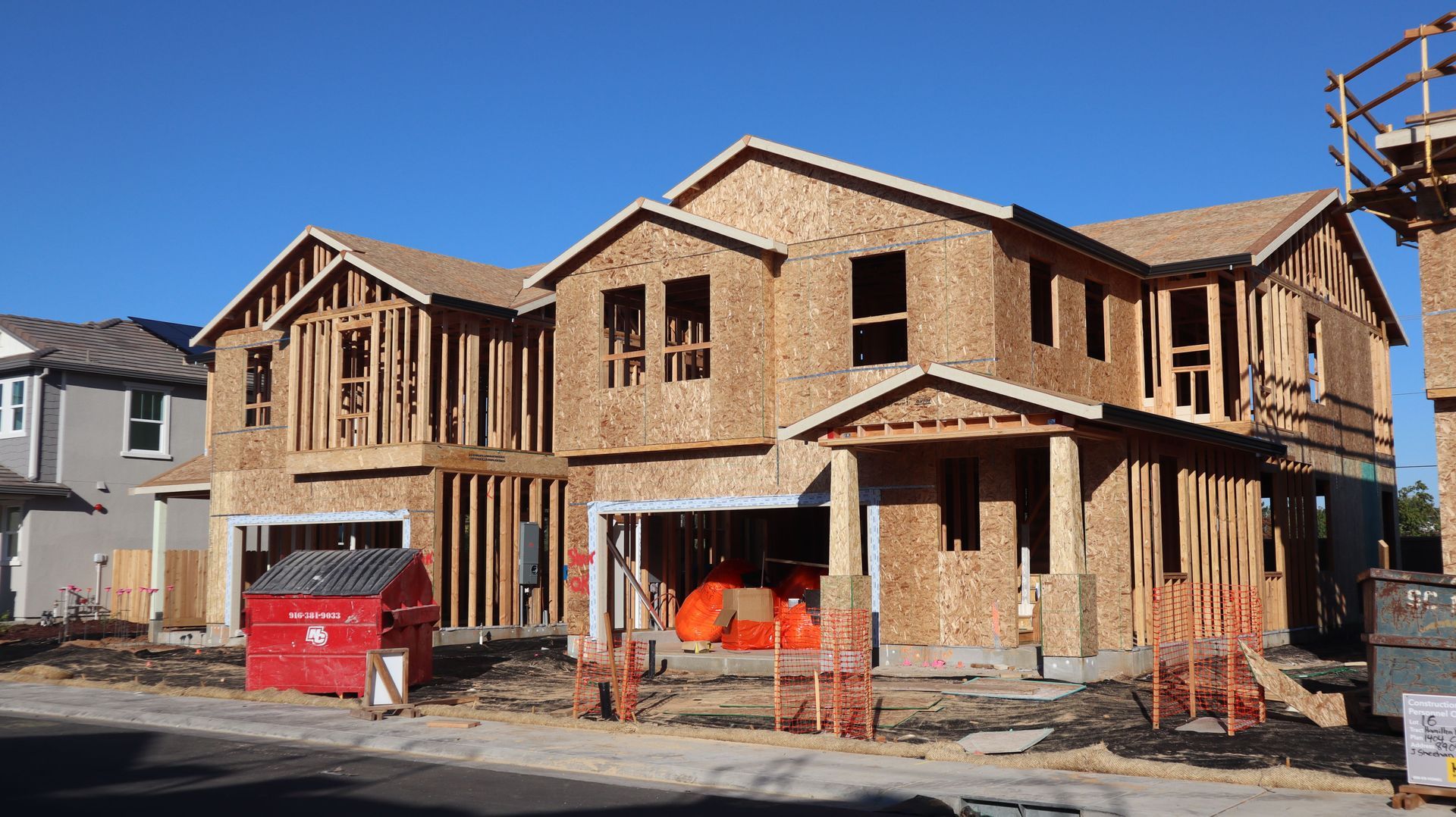
pre-drywall inspection takes place after many of the home's internal systems have been installed but before the walls and ceilings are covered with drywall.
This is one of the best times to inspect a new home because many important components are still visible.
Once drywall goes up, much of the home's framing, wiring, plumbing, ductwork, insulation, and structural connections will be concealed.
During a pre-drywall inspection, the inspector may evaluate accessible areas such as:
- Framing and structural components
- Roof framing
- Plumbing lines and penetrations
- Electrical wiring
- HVAC ductwork
- Insulation installation
- Window and door installation
- Fire blocking
- Mechanical connections
- Visible water intrusion
- Construction defects or damaged materials
The exact scope of the inspection can vary depending on the stage of construction and what has already been installed.
Why Is a Pre-Drywall Inspection Important?
Once the walls are closed, many construction issues become much harder to identify.
For example, a missing insulation section or improperly routed plumbing line may be easy to see before drywall is installed but nearly impossible to detect afterward without opening the wall.
A pre-drywall inspection gives the buyer an opportunity to raise concerns with the builder while those areas are still accessible.
In fast-growing areas such as
Wake Forest, Raleigh, Rolesville, Youngsville, Knightdale, and surrounding communities, builders may be completing multiple homes at the same time. Construction crews and subcontractors often work on tight schedules, and mistakes can happen.
An independent inspection provides another set of eyes on the home before construction progresses.
What Is a Post-Drywall or Final New Construction Inspection?
A
final new construction inspection generally occurs after the home is substantially complete but before the buyer closes.
At this stage, the inspector can evaluate many of the same systems that would be inspected during a traditional home inspection.
This may include:
- Roof and exterior
- Foundation and visible structural components
- Attic areas
- Electrical system
- Plumbing system
- HVAC system
- Appliances
- Windows and doors
- Interior finishes
- Bathrooms
- Kitchen
- Garage
- Drainage
- Safety components
- Visible moisture concerns
The goal is to identify issues that the buyer may want the builder to address before closing or before the builder's warranty period begins.
Common Problems Found in New Construction Homes
Even a beautiful new home can have construction defects or incomplete work.
Some issues that may be discovered during new construction inspections include:
- Missing or improperly installed insulation
- Loose electrical connections
- Missing GFCI protection
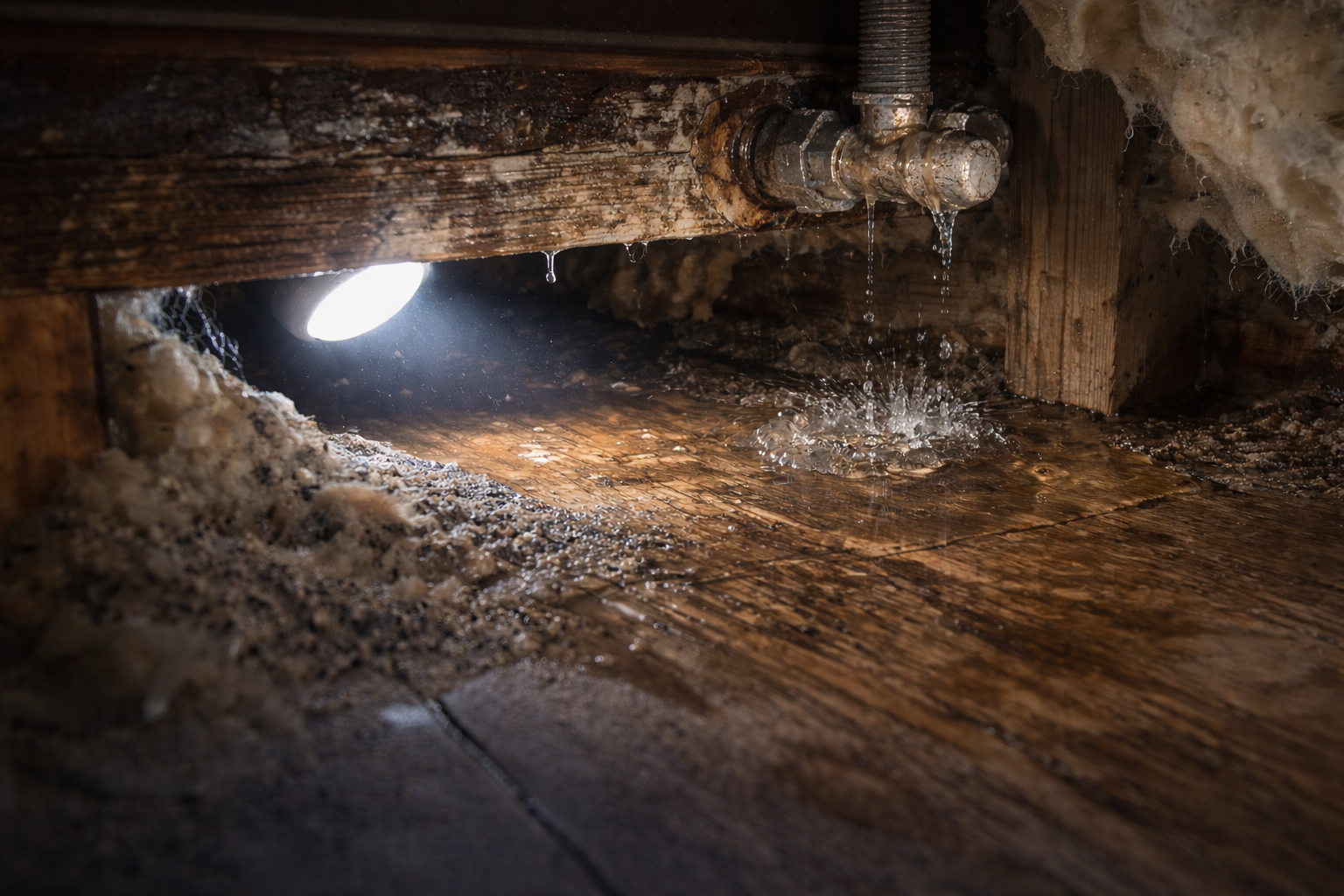
- Plumbing leaks
- Improper drainage
- HVAC duct problems
- Roof installation issues
- Incomplete flashing
- Damaged siding
- Poorly sealed penetrations
- Improperly installed windows or doors
- Missing caulking or weatherproofing
- Loose fixtures
- Attic ventilation concerns
- Grading issues around the foundation
Some problems are relatively minor, while others can become expensive repairs if they are not corrected.
Isn't the Builder's Inspection Enough?
Builders usually have internal quality-control procedures, and local building departments conduct required inspections.
Those inspections are important, but they are not the same as hiring an independent home inspector.
Municipal inspectors are typically focused on whether construction meets applicable building codes and requirements.
An independent home inspector evaluates the property for the buyer and may identify workmanship concerns, incomplete installations, defects, or conditions that may not necessarily result in a failed municipal inspection.
Should You Inspect a New Construction Home Before Closing?
For many buyers, the answer is yes.
A home is one of the largest purchases most people will ever make.
Having an independent inspection before closing gives you more information about the condition of the home and may allow you to address concerns with the builder before taking ownership.
Ideally, buyers should consider scheduling both:
A pre-drywall inspection before the walls are closed.
A final inspection after construction is complete and before closing.
Together, these inspections provide a more complete view of the home's construction.
New Construction Is Growing Across Wake Forest and the Triangle
Communities throughout
Wake Forest, Rolesville, Raleigh, Youngsville, Knightdale, Zebulon, and the surrounding Triangle area continue to see significant residential development.
New neighborhoods, townhomes, and subdivisions are being built throughout northern Wake County and nearby communities.
Whether your home is being built by a large regional builder or a smaller custom builder, an independent inspection can help provide another level of oversight during the construction process.
When Should You Schedule a Pre-Drywall Inspection?
Timing is important.
The inspection should generally take place after the major mechanical systems, plumbing, electrical wiring, and framing are installed but
before insulation and drywall conceal those areas.
Because construction schedules can move quickly, buyers should communicate with their builder early and request advance notice of the drywall installation date.
This gives you time to schedule the inspection before the walls are closed.
When Should You Schedule the Final Inspection?
The final inspection should usually be scheduled when the home is essentially complete but before your final walkthrough and closing.
Ideally, there should be enough time for the inspector to complete the report and for the buyer to provide any concerns to the builder before closing.
Waiting until the day before closing may not leave enough time for repairs or corrections.
New Construction Inspections in Wake Forest, Raleigh & Rolesville
If you are purchasing a newly built home in
Wake Forest, Raleigh, Rolesville, Youngsville, Knightdale, or surrounding areas, Pait Inspections can help you better understand the condition of your new home before you move in.
Whether you need a
pre-drywall inspection, a
final new construction inspection, or both, having an independent inspection can help you make a more informed decision before closing.
Schedule Your New Construction Inspection
Building or buying a new home?
Contact
Pait Inspections to schedule a
pre-drywall or final new construction home inspection in Wake Forest, Raleigh, Rolesville, or the surrounding Triangle area.
Know what you're buying before the walls go up — and before you get the keys.