Many home buyers are surprised to learn that
new construction homes can have defects just like older homes. In fact, one of the most common questions we hear from buyers throughout Wake Forest, Raleigh, Rolesville, Youngsville, and the surrounding Triangle area is:
"Do I really need a home inspection if the house is brand new?"
The short answer is yes.
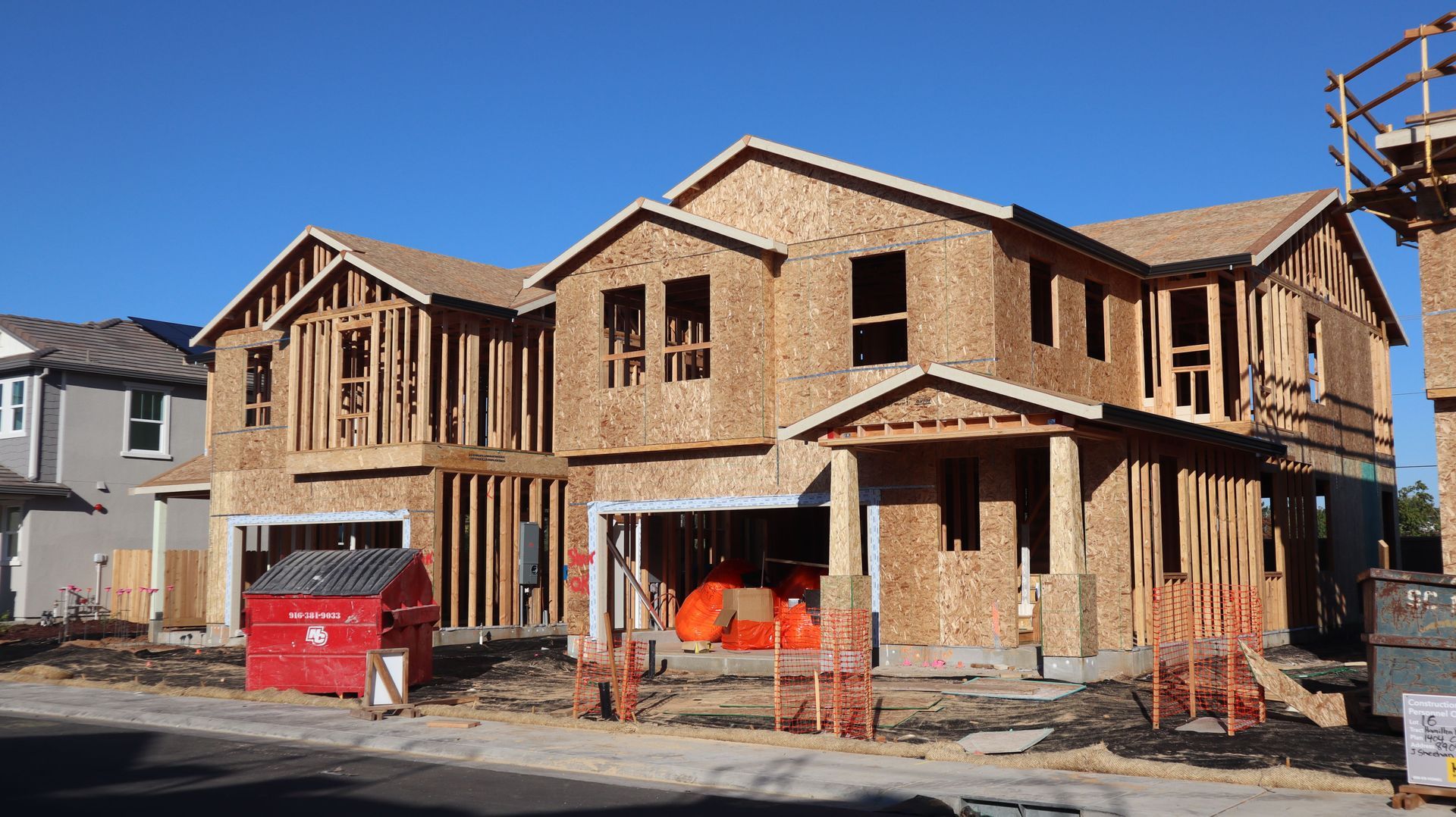
Even though a new home has passed municipal inspections and meets current building codes, a professional home inspection provides an independent evaluation of the property's condition before you close. New homes are built by people, and even the best builders can make mistakes.
Why New Construction Homes Can Have Problems
Today's builders often manage multiple projects simultaneously and coordinate dozens of subcontractors during the construction process.
While most builders strive for quality workmanship, issues can still occur due to:
- Tight construction schedules
- Human error
- Missed details
- Material defects
- Subcontractor mistakes
- Weather-related delays and challenges
A home inspection helps identify these concerns before they become your responsibility.
Common Issues Found in New Construction Homes
Many buyers assume a new home will have no defects. However, inspectors frequently identify issues such as:
Roofing Deficiencies
- Common findings include:
- Improper flashing installation
- Missing shingles
- Damaged roofing materials
- Inadequate attic ventilation
Electrical Issues
Inspectors may discover:
- Missing GFCI protection
- Improper wiring connections
- Loose outlets
- Incomplete electrical work
Plumbing Concerns
Common plumbing findings include:
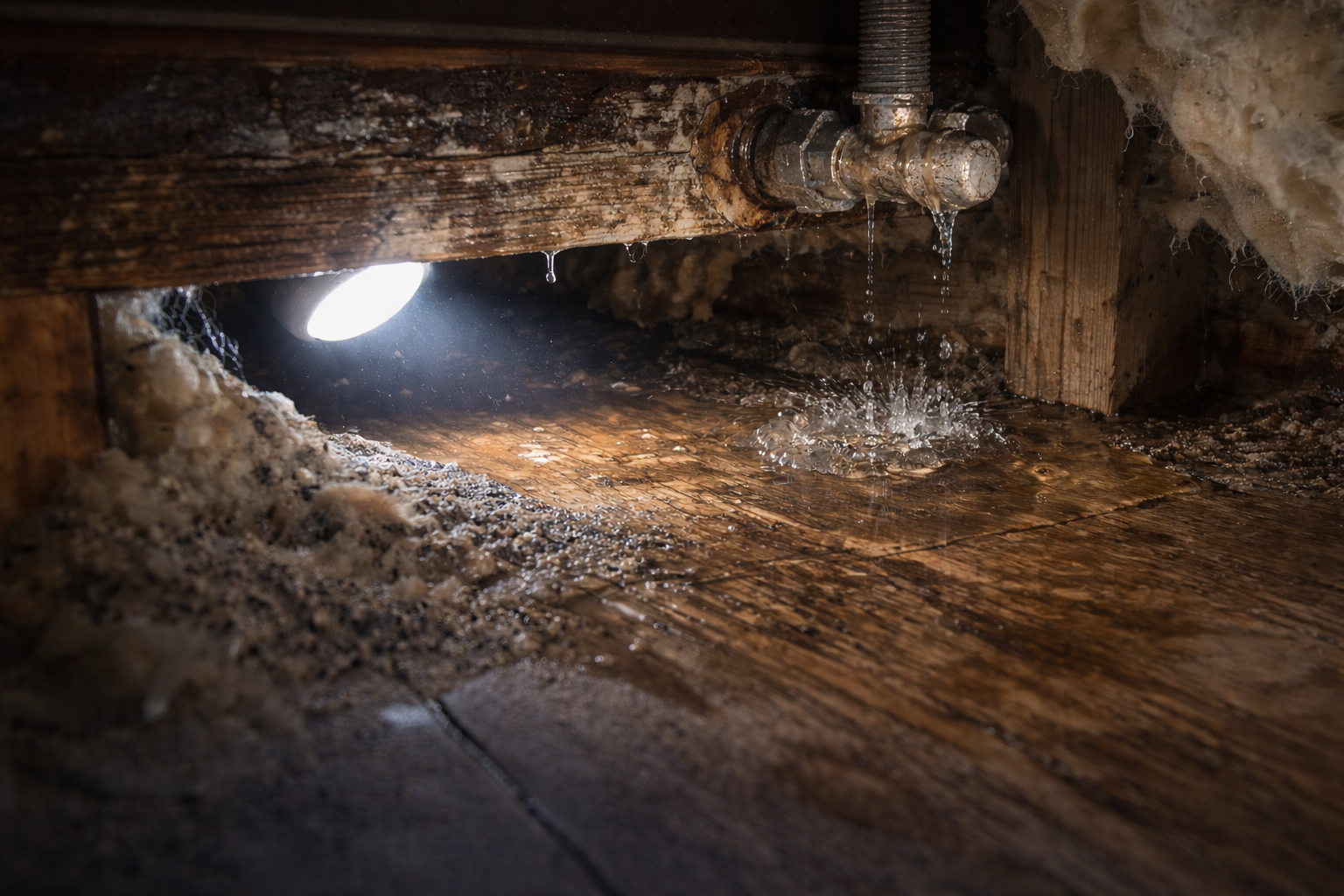
- Minor leaks
- Improper drainage slopes
- Loose fixtures
- Water heater installation issues
HVAC Problems
Even brand-new HVAC systems can have:
- Improper airflow
- Ductwork deficiencies
- Installation errors
- Thermostat calibration issues
Cosmetic and Finish Defects
Buyers often discover:
- Missing caulk
- Paint imperfections
- Damaged trim
- Improperly installed doors or windows
While some of these issues may be minor, identifying them before closing allows the builder to address them while the home is still under construction or warranty.
Doesn't the City Already Inspect the Home?
Yes, but municipal inspections serve a different purpose.
Building inspectors typically review specific phases of construction to verify compliance with minimum building codes.
A private home inspection provides:
- A more comprehensive evaluation
- Additional time spent examining the property
- Independent documentation of findings
- Identification of issues that may not violate code but still deserve attention
Think of a municipal inspection as confirming minimum standards, while a home inspection focuses on helping you understand the overall condition of the home.
When Should You
Schedule a New Construction Inspection?
Depending on the stage of construction, buyers may consider:
Pre-Drywall Inspection
Conducted before drywall is installed, allowing inspectors to evaluate:
- Framing
- Electrical rough-ins
- Plumbing rough-ins
- HVAC components
Final Inspection Before Closing
Performed when construction is substantially complete but before closing.
This inspection focuses on:
- Structural components
- Roofing
- HVAC systems
- Plumbing
- Electrical systems
- Interior finishes
- Exterior components
Warranty Inspection
Many builders offer one-year warranties.
Scheduling an inspection before the warranty expires can help identify issues that should be addressed by the builder.
Is a Home Inspection Worth the Cost on a New Home?
For most buyers, the answer is yes.
A home inspection represents a relatively small investment compared to the cost of the home itself. Identifying even a single significant issue before closing can save thousands of dollars and prevent future headaches. More importantly, it provides peace of mind that your new home has been independently evaluated by a professional.
New Construction Is Still a Major Investment
Whether you're purchasing a new home in Wake Forest, Raleigh, Rolesville, Youngsville, Franklinton, Zebulon, or anywhere in the Triangle region, it's important to remember that a new home is still one of the largest investments you'll ever make.
A professional home inspection helps ensure you're moving into your new home with confidence and a clear understanding of its condition.
Why Buyers Trust Pait Home Inspections
At
Pait Home Inspections, we regularly inspect newly constructed homes throughout Wake Forest, Raleigh, Rolesville, Youngsville, and surrounding communities.
Our goal is to provide buyers with a thorough, unbiased evaluation so they can move forward confidently and address any concerns before closing.
Frequently Asked Questions
Do I need a home inspection on a brand-new home?
Yes. Even newly constructed homes can have defects, installation errors, or incomplete work that may not be obvious during a walkthrough.
Can a new construction home fail an inspection?
A home inspection is not a pass-or-fail test. The purpose is to identify defects, safety concerns, and maintenance items so buyers can make informed decisions.
What is the most common issue found in new construction homes?
Common findings include roofing issues, electrical deficiencies, HVAC installation concerns, plumbing problems, and cosmetic defects.
When should I schedule a new construction inspection?
Most buyers schedule a final inspection before closing. Some also choose pre-drywall inspections and warranty inspections.
Is a municipal inspection enough?
Municipal inspections verify compliance with minimum building codes. A private home inspection provides a more detailed evaluation of the property's overall condition.
How much does a new construction home inspection cost?
Inspection costs vary based on the size and complexity of the home, but many buyers view the inspection as a small investment compared to the cost of the property.
Schedule Your Raleigh Home Inspection
If you're buying a home in Raleigh or the surrounding area, contact Pait Home Inspections today to schedule a comprehensive home inspection and get peace of mind before closing.