
The Silent Home Killer: Hidden Water Leaks in Homes

Quick Overview
Hidden water leaks are one of the most common causes of long-term home damage in Wake Forest and the greater Raleigh area. Unlike burst pipes, slow leaks behind walls, under sinks, or inside crawlspaces can go unnoticed for months — quietly weakening structural components and increasing repair costs. Regular monitoring and
professional home inspections help catch developing issues before they become major structural problems.
Water damage doesn’t always start with a dramatic pipe burst. In fact, the most expensive repairs often come from slow, hidden leaks that quietly damage materials over time.
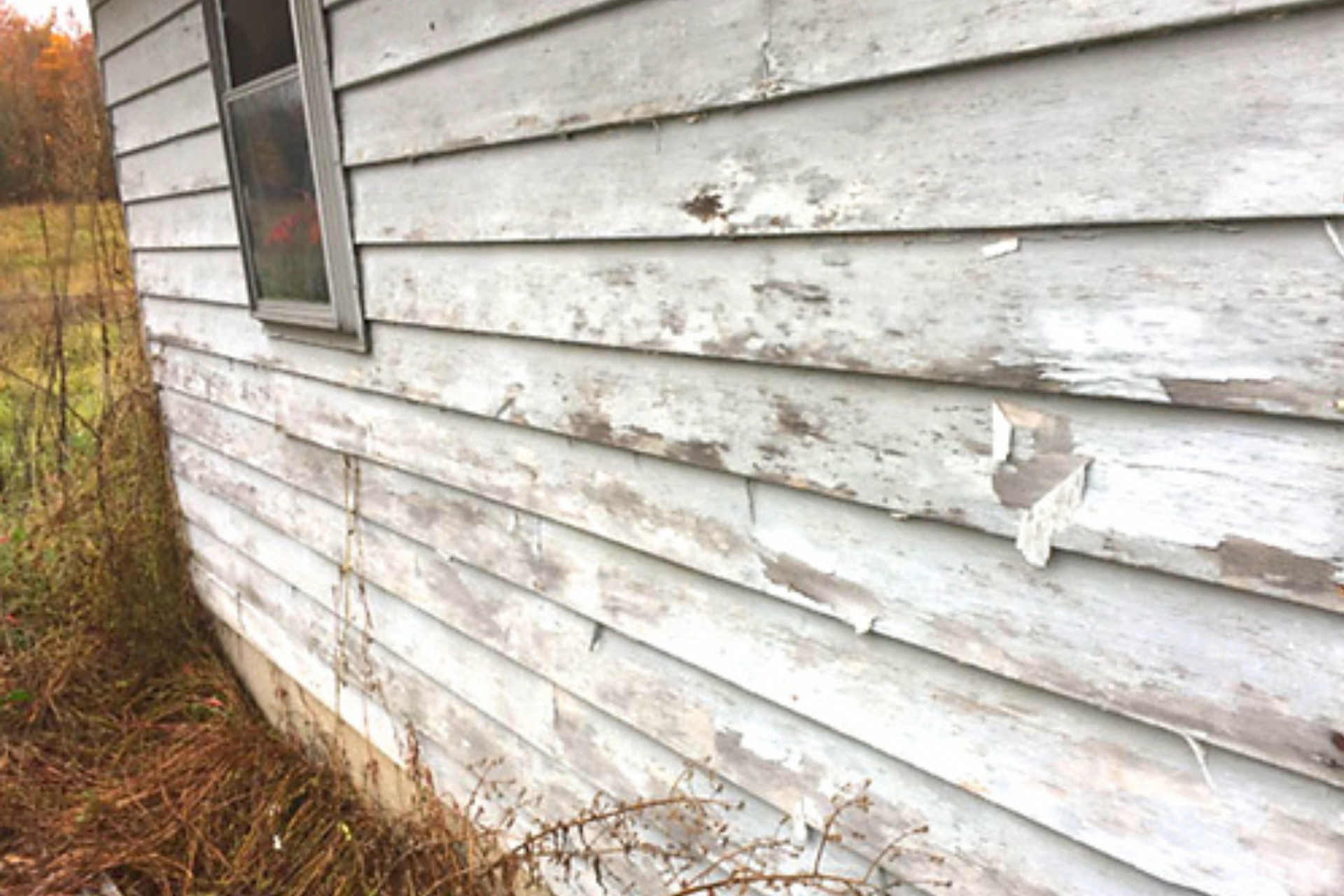
Small drips behind walls, beneath sinks, or inside crawlspaces can go unnoticed for months — even years — before visible signs appear. By the time staining, warping, or musty odors develop, framing, subflooring, and other structural components may already be compromised.
In North Carolina’s humid climate, especially in Wake Forest and Raleigh, elevated moisture levels can accelerate damage and increase the risk of microbial growth.
Common Areas Where Hidden Leaks Occur
Bathrooms
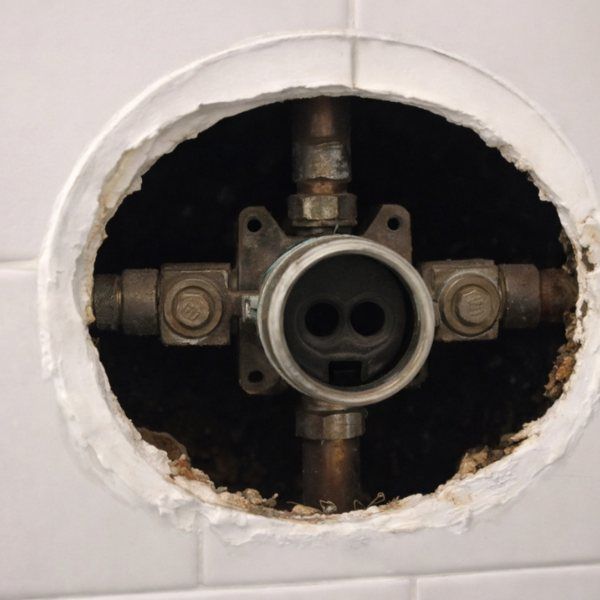
- Behind shower walls and tubs
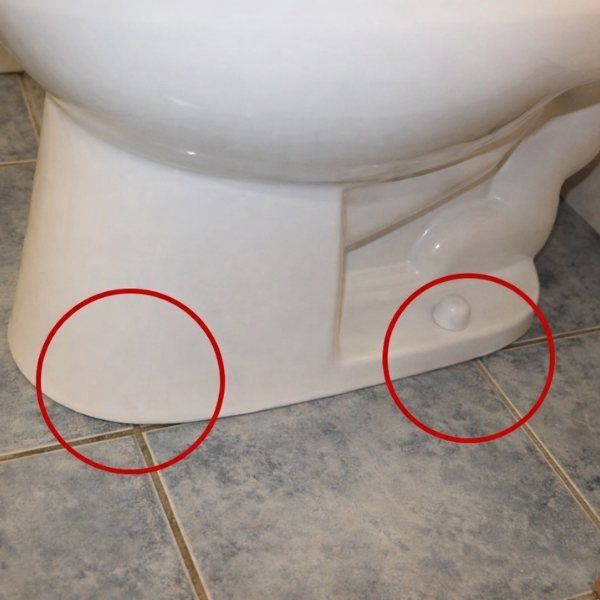
- Around toilet bases
- Beneath bathroom vanities
- Inside wall cavities where plumbing runs
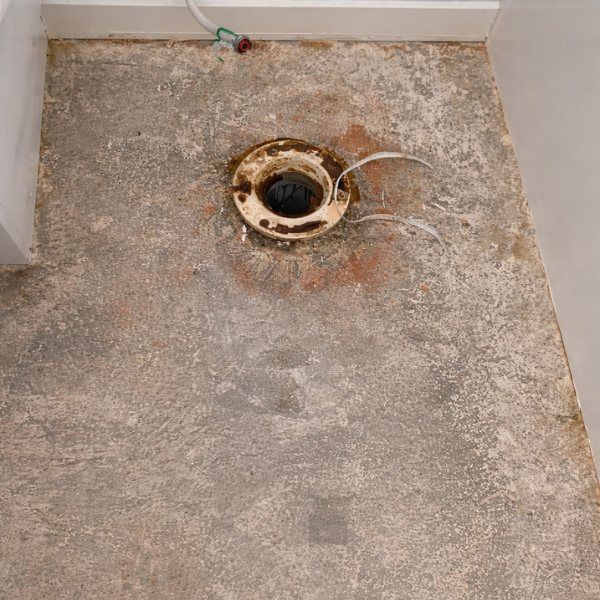
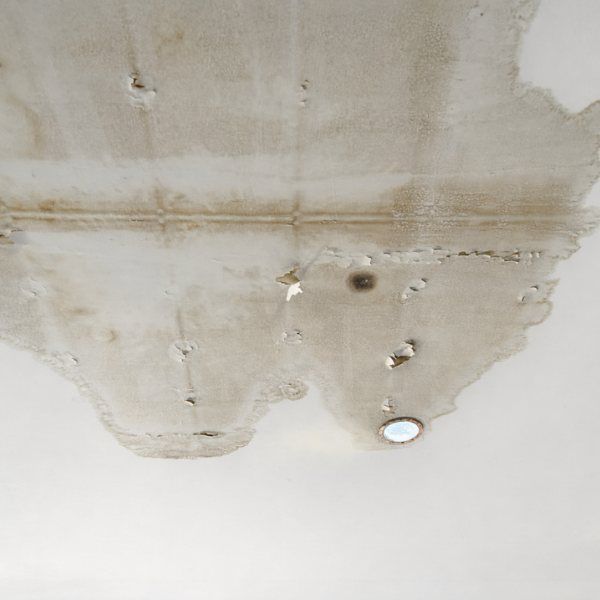
A tiny drip from a shower valve or a poorly sealed toilet flange can saturate subflooring over time — and nobody knows until the tile feels “spongy” or a ceiling stain appears below.
Kitchens & Laundry Rooms
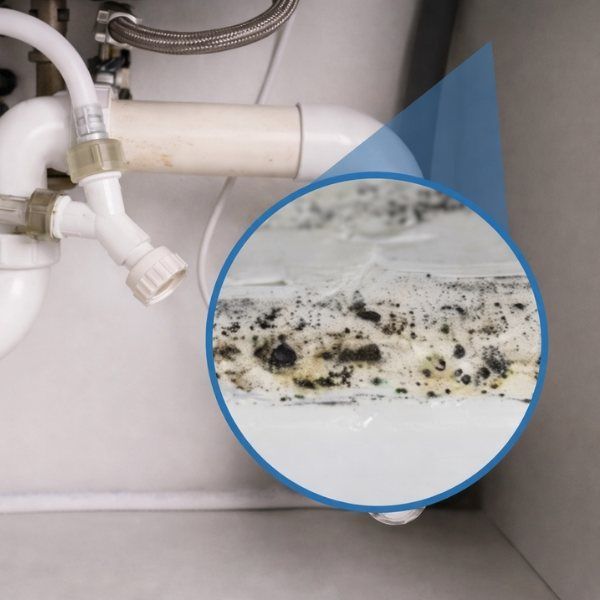
- Under kitchen sinks
- Behind dishwashers
- Around refrigerator water lines
- At washing machine supply hoses
Many homeowners don’t regularly check beneath their sinks or behind appliances, which makes these prime locations for unnoticed water intrusion.
Attics & Crawlspaces
- Roof leaks that travel along framing before dripping
- Condensation issues from HVAC equipment
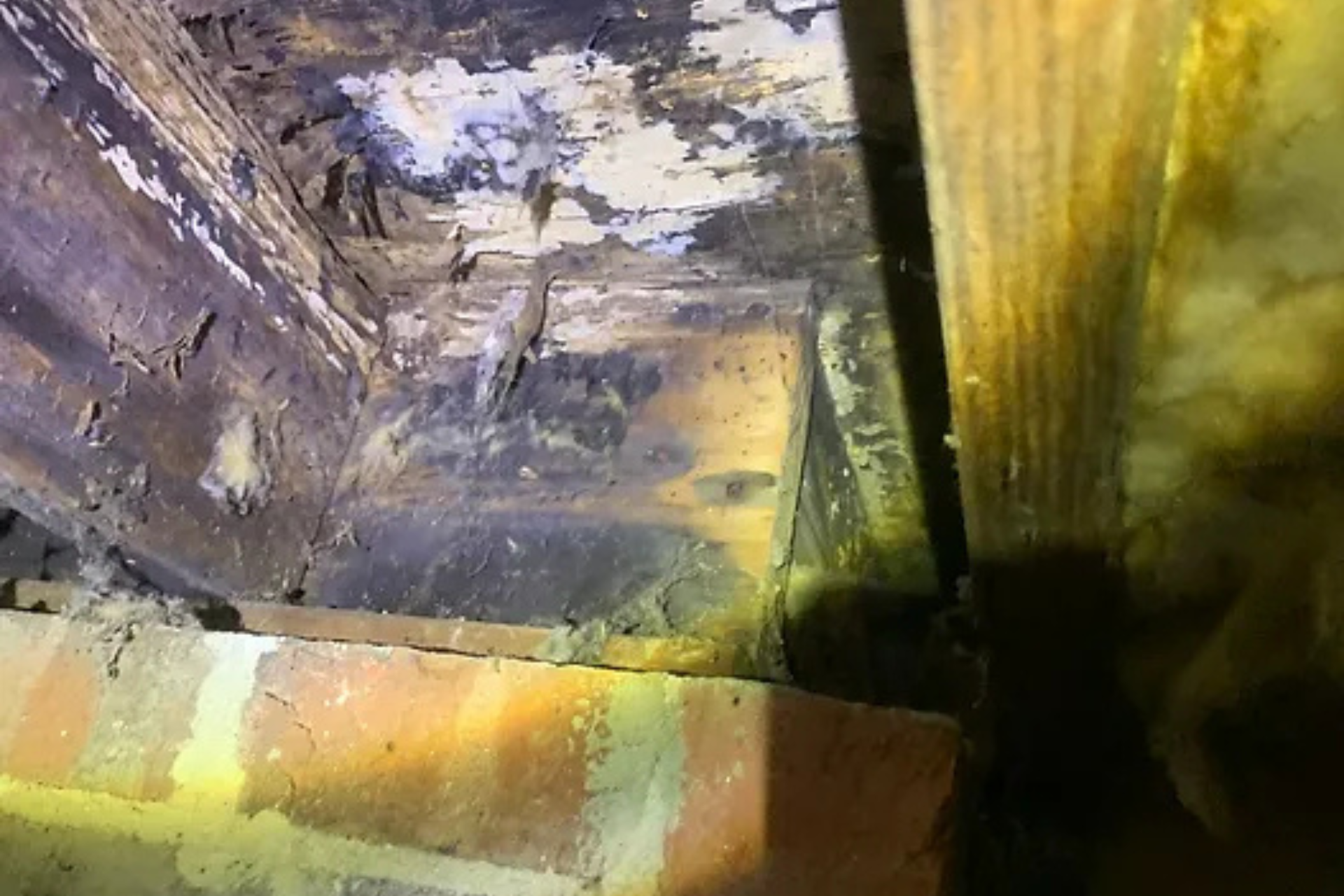
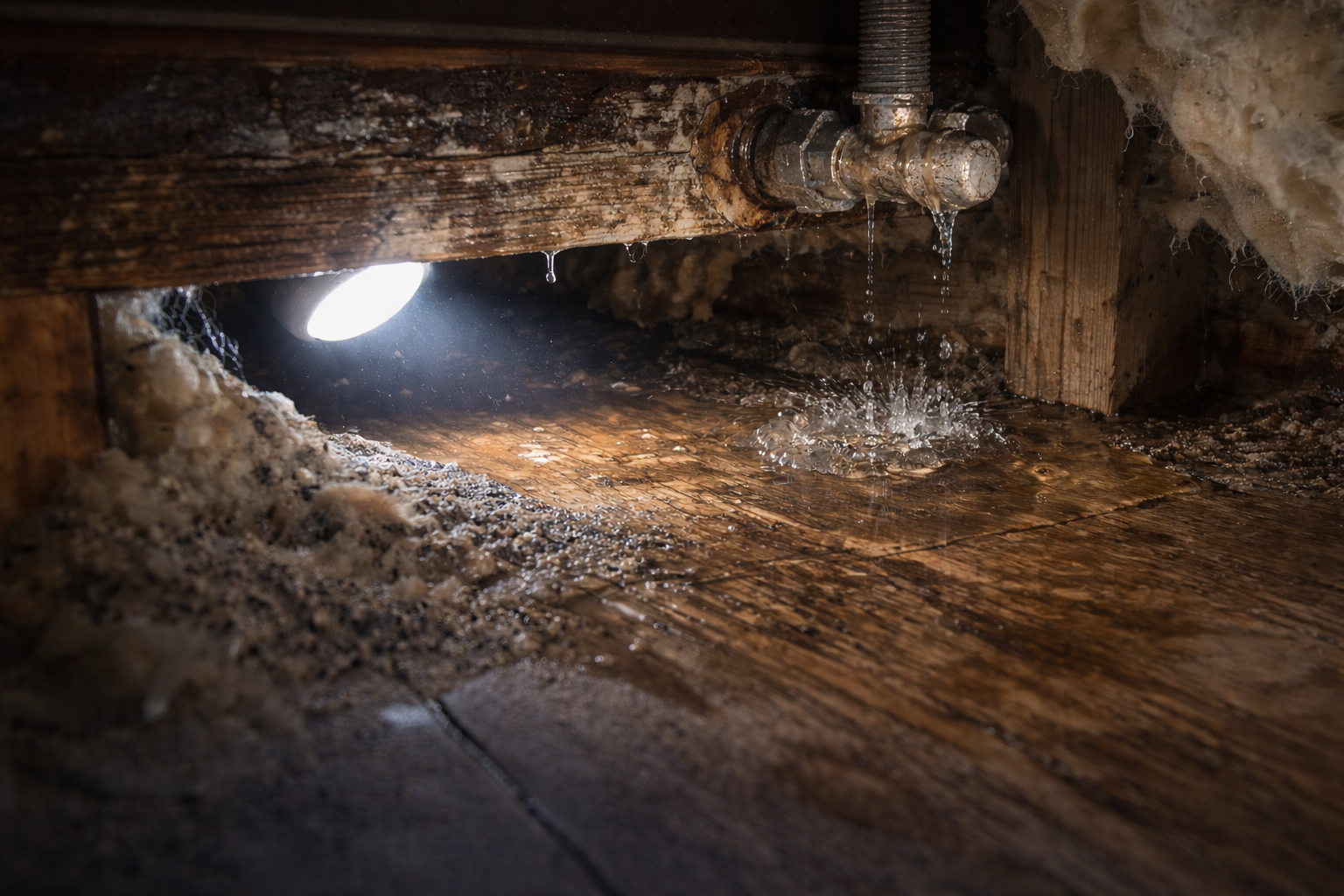
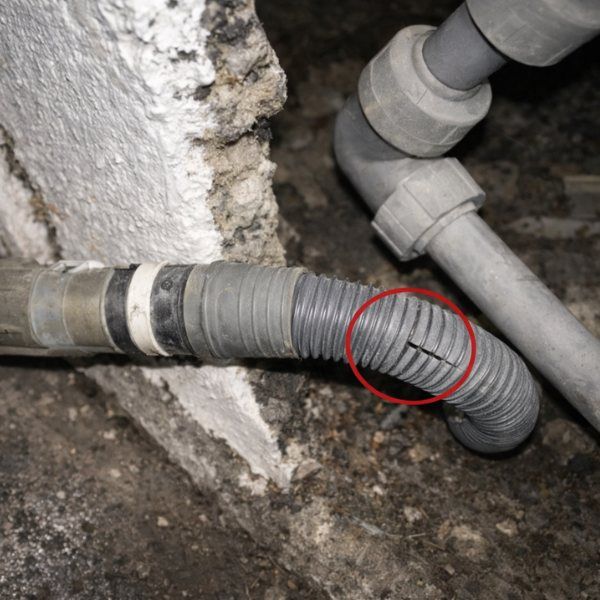
- Plumbing leaks that only show up in the crawlspace
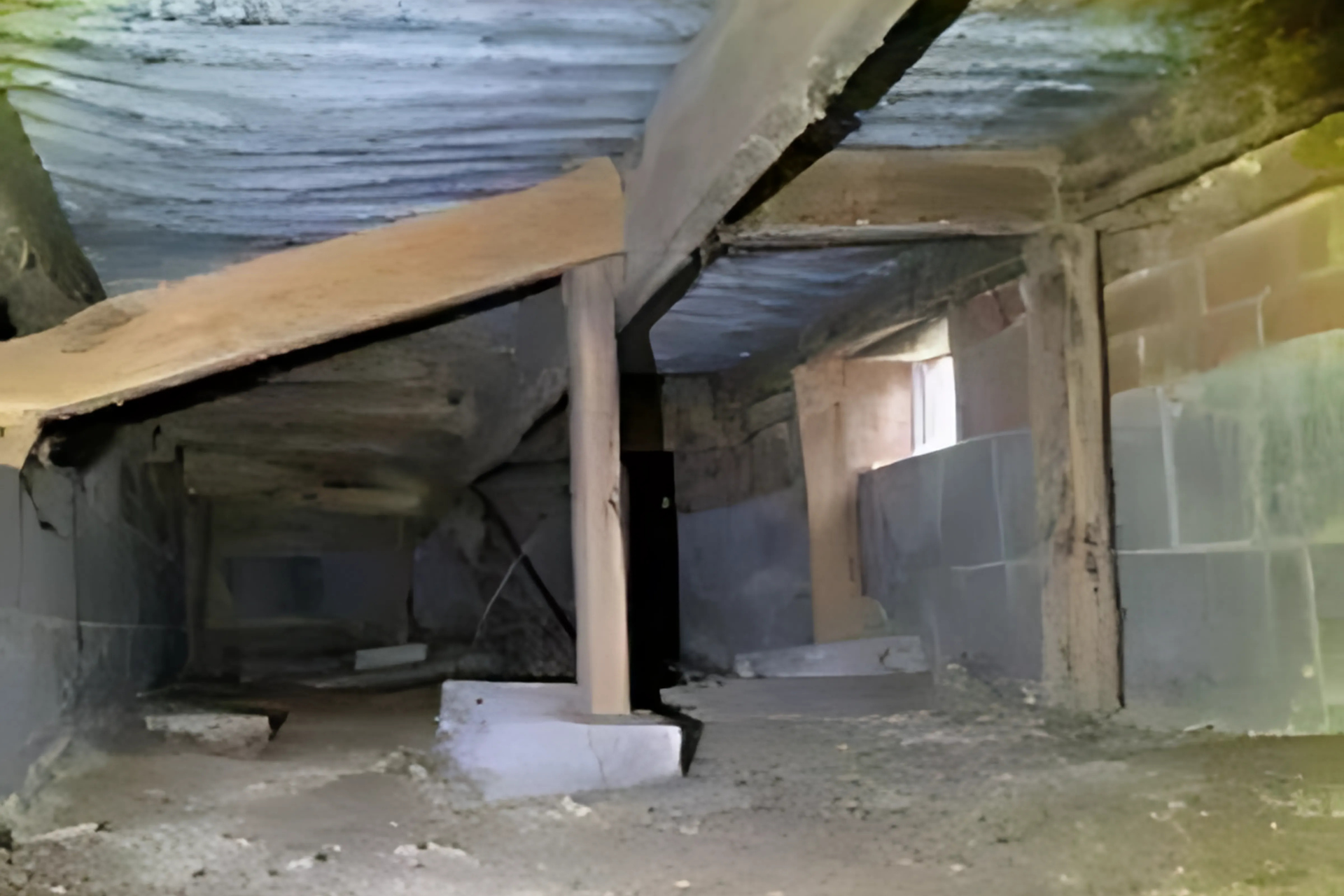
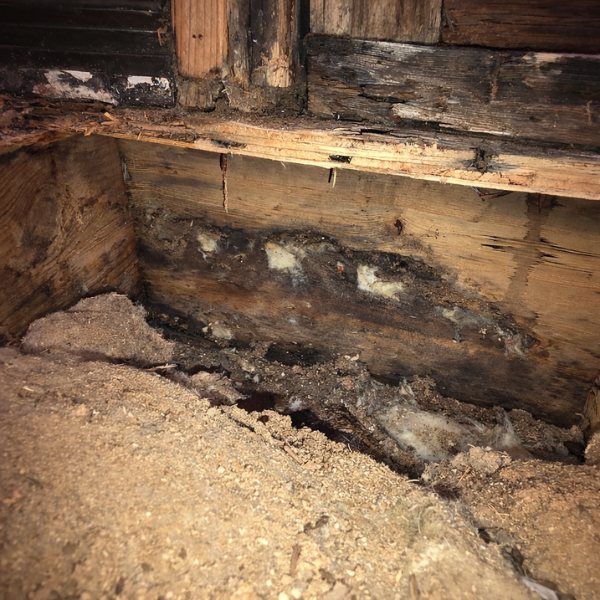
Crawlspaces in the Triangle region are particularly vulnerable due to humidity and seasonal temperature changes. These conditions create an environment where hidden moisture can persist for long periods without obvious signs.
Industry organizations like InterNACHI note that moisture intrusion is one of the most common sources of structural damage in residential homes.
Why Slow Leaks Are So Costly
Hidden leaks can lead to:
- Mold and microbial growth
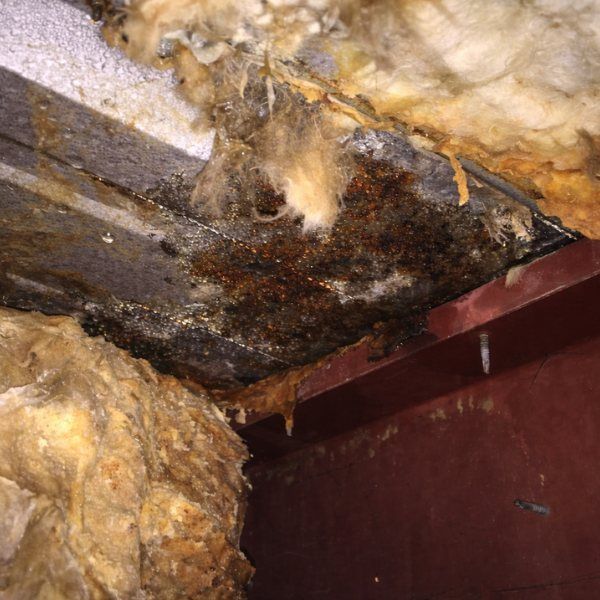
- Rotting wood and structural deterioration
- Damaged insulation (which reduces energy efficiency)
- Warped flooring or cracked tile
- Pest attraction (wood-destroying insects love damp conditions)
Water intrusion rarely improves with time. It compounds.
In many Wake Forest and Raleigh homes, what begins as a minor plumbing drip can develop into significant structural repair if left unaddressed.
What Homeowners Can Do to Prevent Problems
You don’t need to be a professional inspector to catch some of these issues early. A few smart habits can go a long way:
- Check under sinks every few months — look for moisture, staining, or warped cabinet bottoms
- Monitor your water bill — unexplained increases can indicate a slow leak
- Feel around toilets for softness in the floor
- Inspect ceilings below bathrooms for new stains
- Replace old washing machine hoses every 5–7 years (or sooner if they look worn)
Think of it like giving your house a quick health check — no stethoscope required.
Whether you are purchasing a home in Wake Forest, selling property in Raleigh, or performing routine maintenance, a thorough inspection can help detect developing issues before they result in costly structural repairs.
How PAIT Inspections Evaluates Hidden Water Issues
During our inspections, we take a methodical approach to spotting potential water problems:
- We visually examine plumbing supply and drain lines where accessible
- We look for staining, warping, or signs of past repairs
- We assess high-risk areas like bathrooms, kitchens, attics, and crawlspaces
- When appropriate, we use moisture meters to identify elevated readings in suspect areas
While no inspection can guarantee that a home is free of leaks, our goal is to help clients understand where risks exist — and what steps to take next.
We also offer annual maintenance inspections, which can be a great way for homeowners to stay ahead of small issues before they become big (and expensive) ones.
Frequently Asked Questions About Hidden Water Leaks
What are the signs of a hidden water leak in a house?
Common signs include:
- Musty odors
- Unexplained water stains on ceilings or walls
- Soft or spongy flooring near bathrooms
- Warped cabinet bottoms
- Higher-than-normal water bills
If any of these symptoms appear, further evaluation is recommended.
Can a home inspection detect hidden water damage?
A home inspection can identify visible signs of water intrusion and moisture-related damage in accessible areas. While inspectors cannot see inside sealed walls, they look for indicators such as staining, deterioration, elevated moisture readings, and past repair evidence.
Are slow plumbing leaks dangerous?
Yes. Slow leaks can cause structural deterioration, mold growth, and long-term material damage. Because they often go unnoticed, they can become more costly than sudden plumbing failures.
How often should homeowners check for leaks?
Homeowners should visually check under sinks and around plumbing fixtures every few months. An annual professional home inspection is recommended to identify developing issues — particularly in humid climates like central North Carolina.
Does homeowner’s insurance cover hidden water leaks?
Insurance coverage varies by policy. Sudden and accidental damage may be covered, but long-term maintenance-related leaks are often excluded. Reviewing your individual policy is advised.
Schedule a Professional Home Inspection in Wake Forest or Raleigh
Hidden water leaks are one of the most common — and preventable — causes of residential property damage in the Triangle area.
Routine homeowner monitoring combined with a professional inspection from Pait Inspections can significantly reduce long-term risk and help protect your investment.
If you’re buying, selling, or maintaining a home in Wake Forest, Raleigh, or surrounding communities,
schedule your inspection today and gain peace of mind knowing your home is thoroughly evaluated.