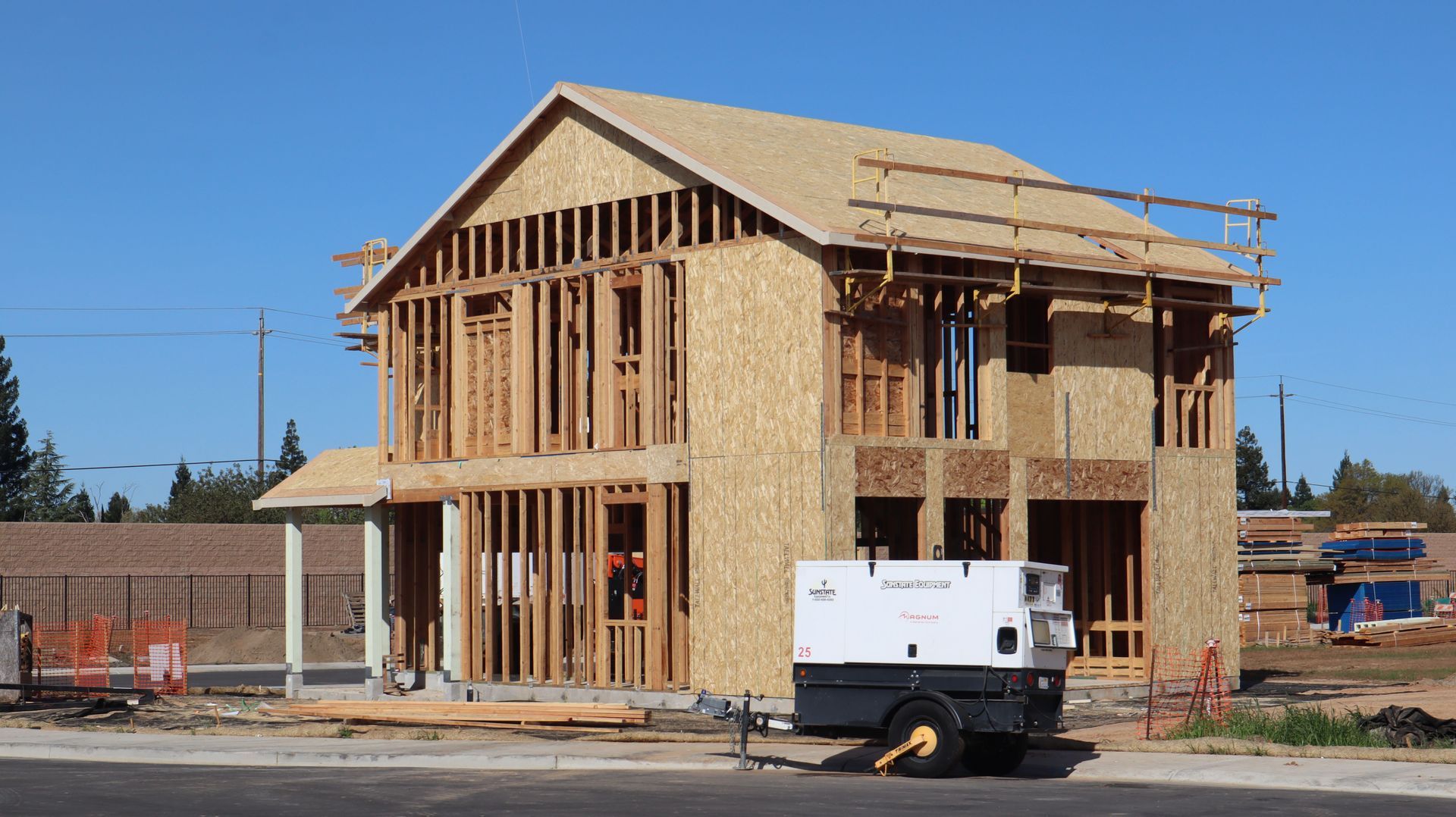
The Most Common Problems Found in Raleigh Home Inspections

June 2, 2026

What Raleigh Home Buyers and Realtors Should Know Before Closing Day

Buying a home is one of the biggest investments most people will ever make. Whether you're purchasing a historic home near Downtown Raleigh, a mid-century property inside the Beltline, or a newer home in one of the area's rapidly growing communities, every home has its own unique maintenance concerns.


At Pait Home Inspections, we inspect homes throughout Raleigh and the surrounding Triangle area. While every property is different, certain issues tend to appear repeatedly during home inspections. Understanding these common problems can help buyers make informed decisions and avoid costly surprises after closing.


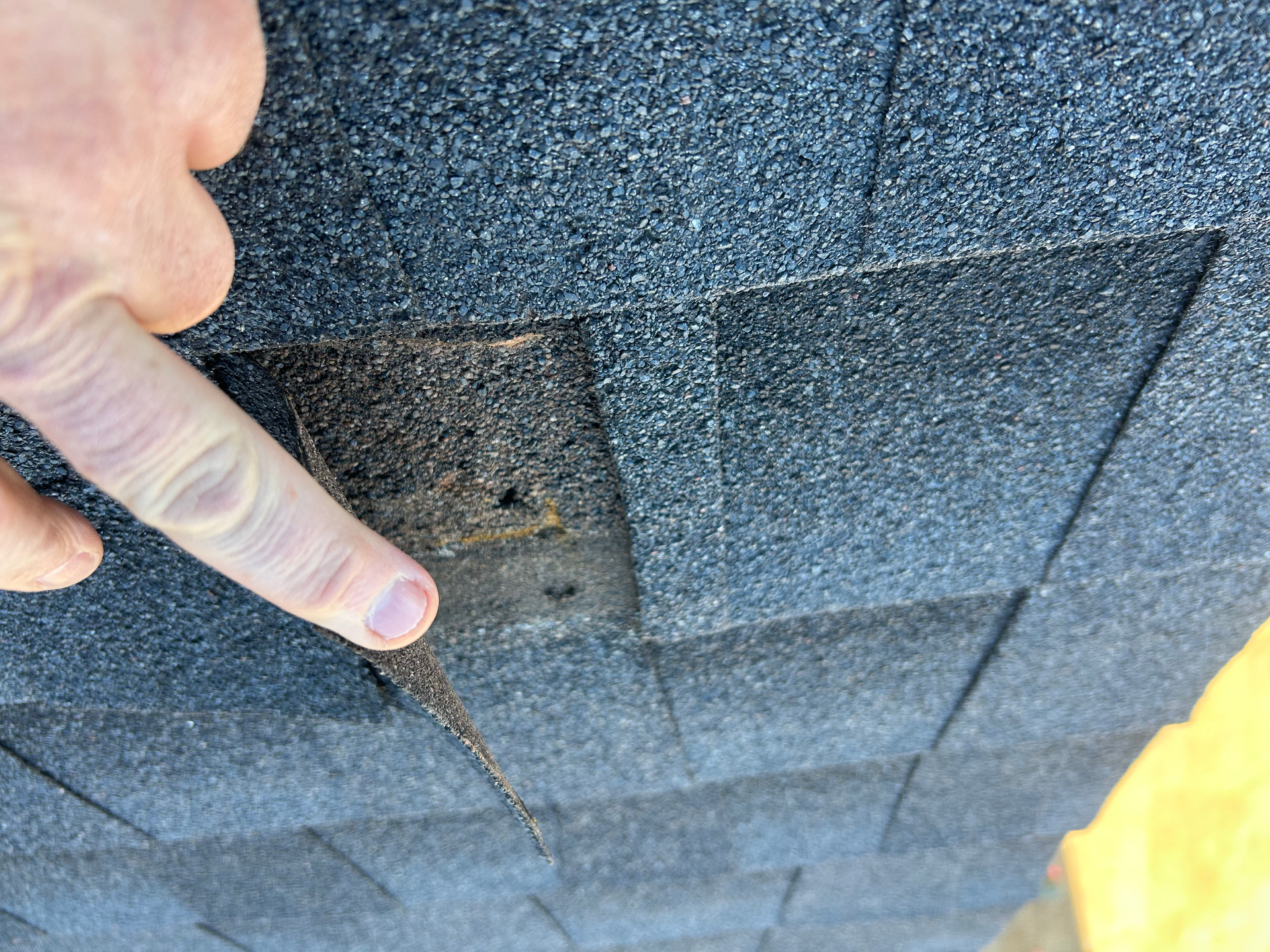
1. Roof Damage and Aging Roofing Materials

Roofing issues are among the most common concerns found during Raleigh home inspections.

North Carolina's combination of heat, humidity, heavy rain, hail, and occasional hurricanes can significantly shorten the lifespan of roofing materials. Even newer roofs may have damage that isn't visible from the ground.

Common roofing issues include:

  • Missing or damaged shingles
  • Improper flashing installation
  • Evidence of previous repairs
  • Soft spots or water intrusion
  • Exposed nail heads
  • Aging roof materials nearing the end of their lifespan

A roof replacement can be one of the most expensive repairs a homeowner faces, making a professional inspection especially important.

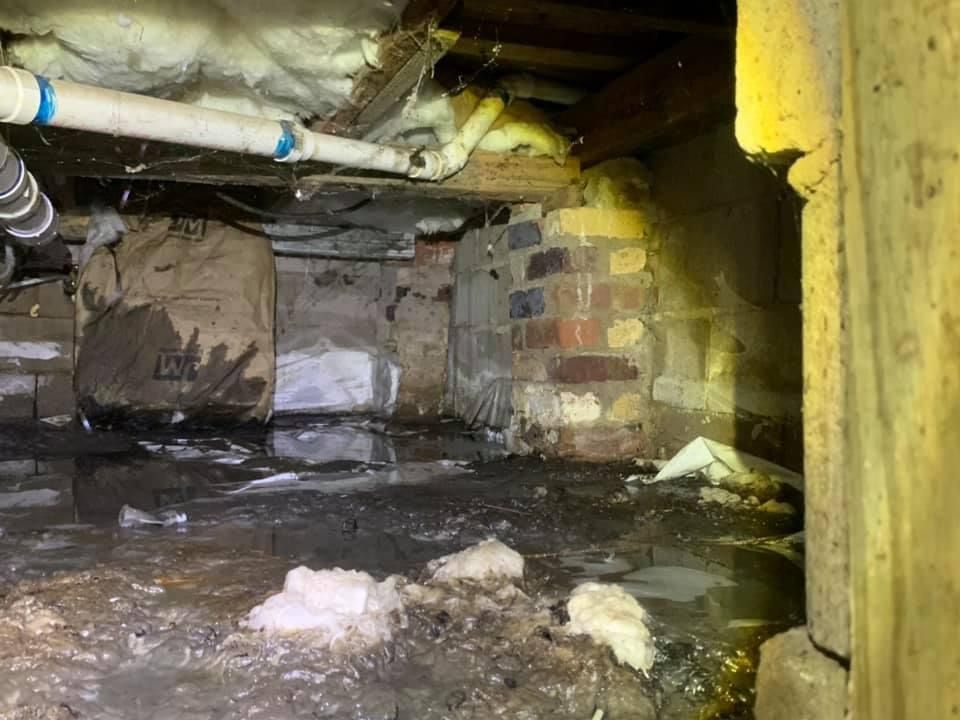
2. Moisture and Crawl Space Problems

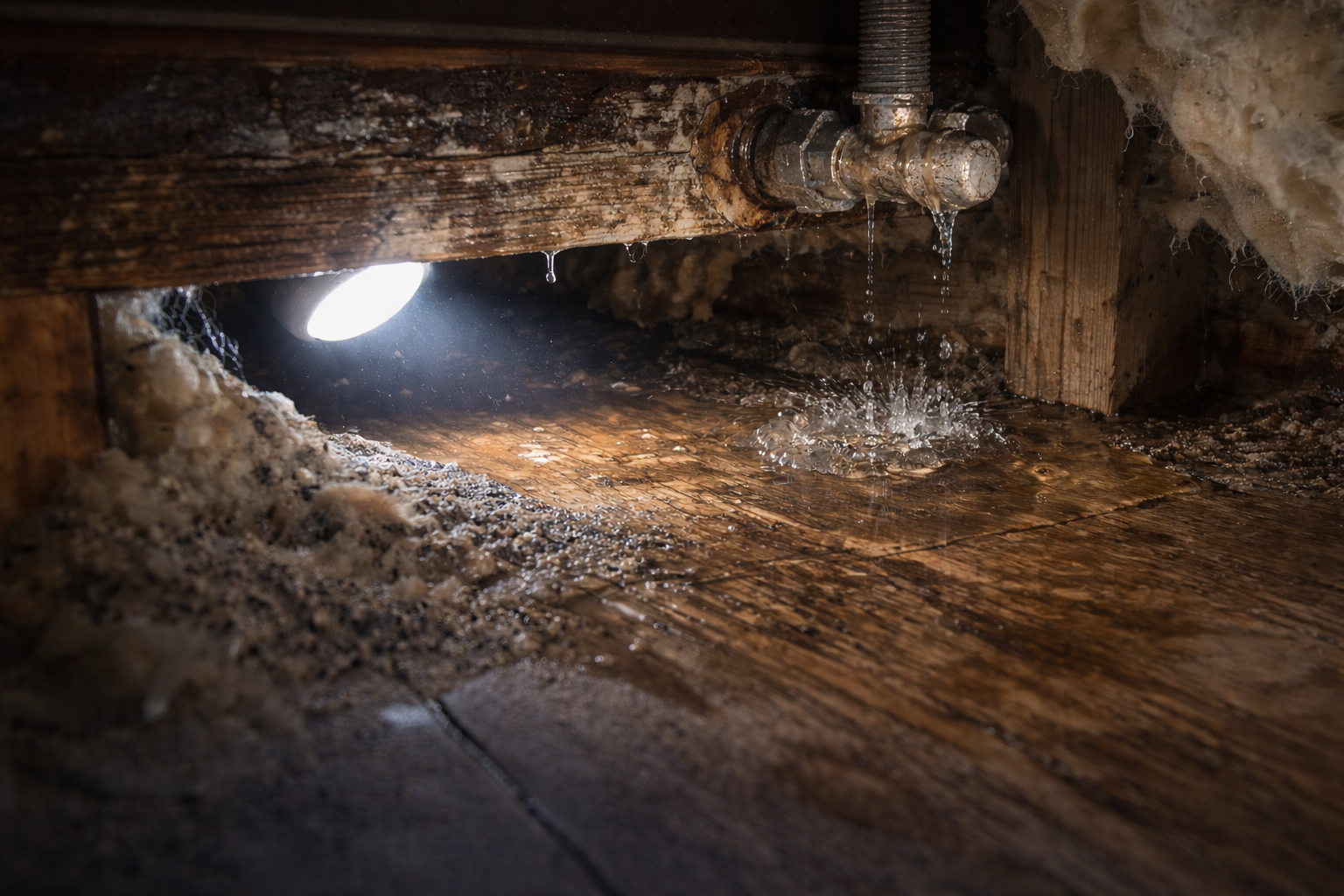
Many homes throughout Raleigh have crawl spaces, and moisture issues are extremely common.

North Carolina's humid climate can create ideal conditions for:

  • Excess moisture
  • Mold growth
  • Wood rot
  • Damaged insulation
  • Structural concerns
  • Pest activity

During a home inspection, we carefully evaluate crawl spaces for signs of water intrusion, standing water, improper drainage, and moisture-related damage.

3. HVAC System Deficiencies

Heating and cooling systems work hard in North Carolina's climate.

Some of the most common HVAC issues found during inspections include:

  • Dirty or poorly maintained systems
  • Aging units nearing replacement
  • Improper airflow
  • Damaged ductwork
  • Condensate drainage issues
  • Inconsistent heating or cooling performance

Many buyers are surprised to learn that an HVAC system can appear functional while still having significant maintenance concerns.

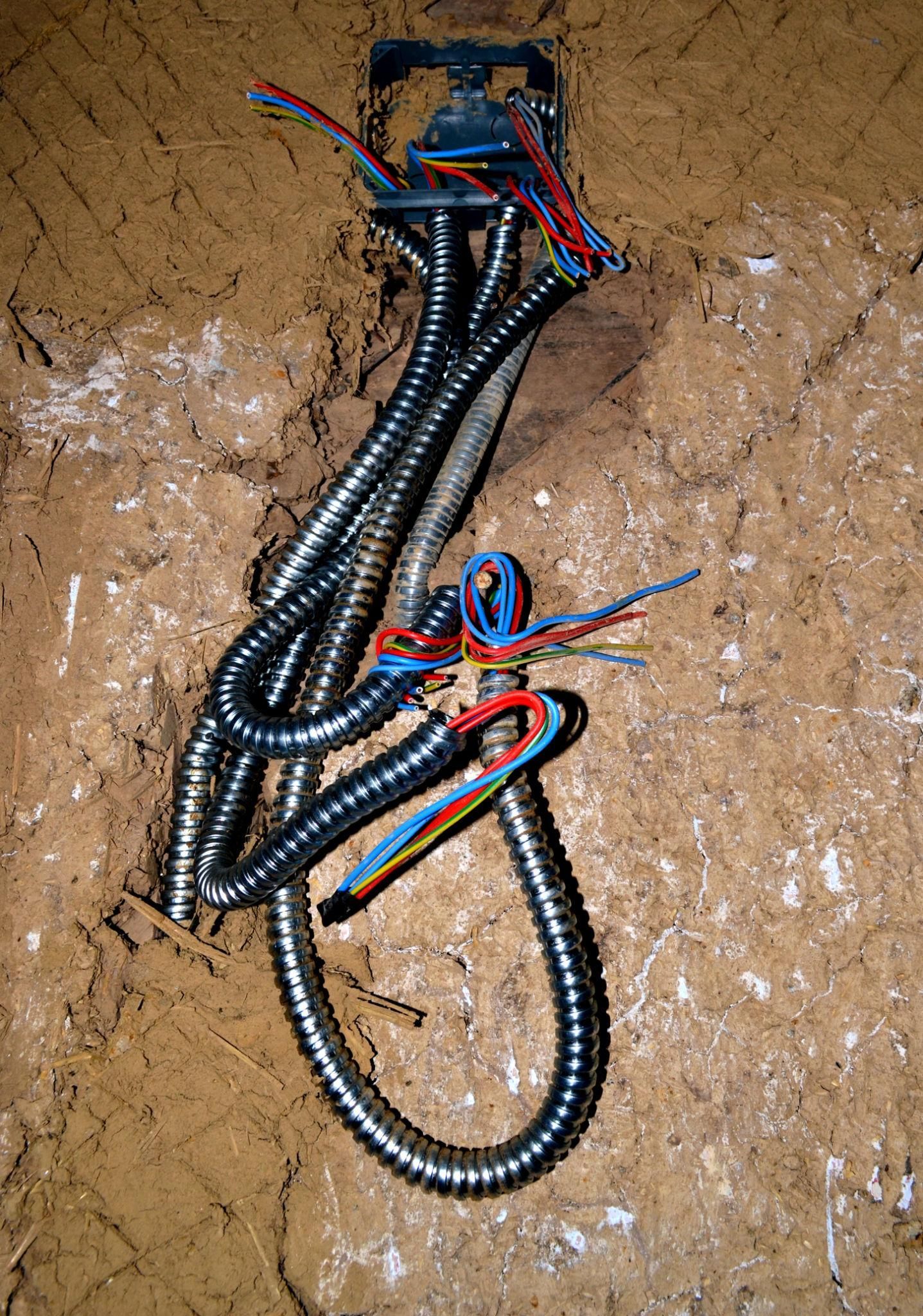
4. Electrical Safety Concerns

Electrical issues range from minor repairs to serious safety hazards.

Common findings include:

  • Double-tapped breakers
  • Missing GFCI protection
  • Outdated electrical components
  • Improper wiring modifications
  • Open junction boxes
  • Missing covers or exposed wiring

Electrical deficiencies are often the result of years of homeowner projects and renovations completed without professional oversight.

5. Plumbing Leaks and Drainage Problems

Small plumbing issues can become major repairs if left unaddressed.

Frequently identified concerns include:

  • Slow drains
  • Active leaks
  • Corroded piping
  • Improper repairs
  • Water pressure concerns
  • Aging water heaters

Even minor leaks can lead to mold growth, wood damage, and expensive repairs over time.


6. Foundation and Structural Movement

Most homes experience some settling over time. The key is determining whether the movement is normal or potentially problematic.

Inspectors commonly find:

  • Foundation cracks
  • Uneven floors
  • Stair-step cracking in masonry
  • Door and window alignment issues
  • Signs of previous structural repairs

Not every crack indicates a major structural problem, but professional evaluation is critical when concerns are present.

7. Improper Grading and Drainage

Many home issues begin outside the house.

Poor grading can allow water to collect near the foundation, leading to:

  • Crawl space moisture
  • Basement leaks
  • Foundation movement
  • Landscape erosion

Proper drainage is one of the most overlooked aspects of home maintenance and one of the most important factors in protecting a home's structure.

8. Attic Ventilation Issues

Attics play a major role in protecting a home's roof and energy efficiency.

Common problems include:

  • Inadequate ventilation
  • Damaged insulation
  • Evidence of previous leaks
  • Improper exhaust venting
  • Moisture buildup

Poor attic conditions can contribute to higher utility bills, premature roof deterioration, and moisture-related damage.

Why a Professional Home Inspection Matters

No home is perfect—not even new construction.

The goal of a home inspection is not to create fear or stop a transaction. Instead, it provides buyers with the information they need to understand the condition of the property and make informed decisions.

A thorough inspection can help identify:

  • Safety concerns
  • Major repair items
  • Maintenance needs
  • Potential future expenses
  • Negotiation opportunities before closing


Serving Home Buyers Throughout Raleigh and the Triangle

At Pait Home Inspections, we help buyers, sellers, and Realtors gain confidence in the home buying process through detailed inspections and clear reporting.

Whether you're purchasing a historic home in Raleigh, a newer property in Wake Forest, Rolesville, Knightdale, Cary, or surrounding communities, we're committed to providing the information you need to move forward with confidence.


Schedule Your Raleigh Home Inspection

If you're buying a home in Raleigh or the surrounding area, contact Pait Home Inspections today to schedule a comprehensive home inspection and get peace of mind before closing.


Water drips from a pipe in an attic, creating a puddle on wooden boards.
March 3, 2026
Learn the warning signs of hidden water leaks in Wake Forest and Raleigh homes and how professional inspections help prevent costly damage.
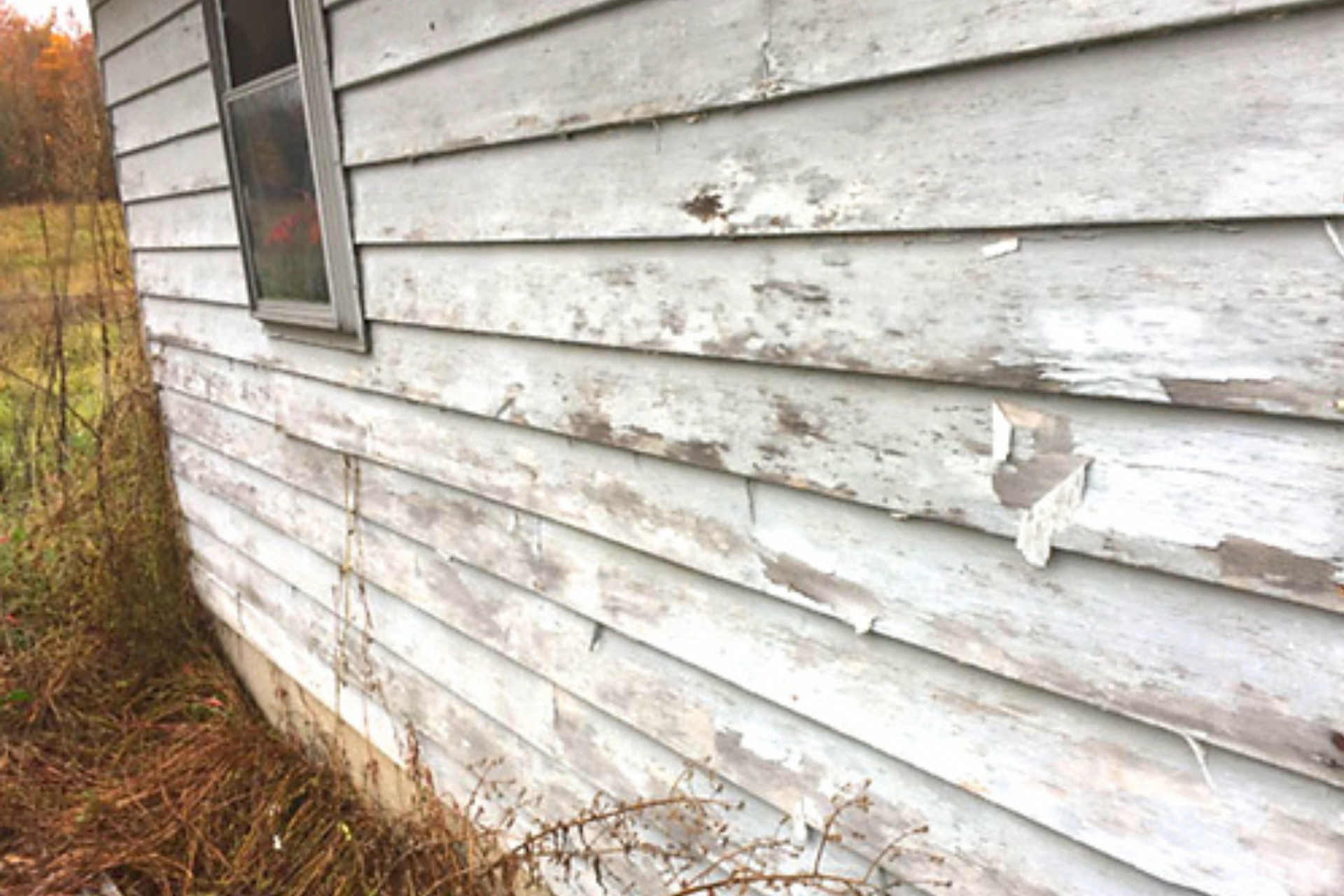
The side of an old white house with peeling paint and a window.
May 20, 2025
North Carolina’s climate is a double-edged sword for homeowners. The state’s warm, humid environment and frequent rainfall create the perfect conditions for moisture-related issues. This combination of heat and humidity can lead to a range of problems that affect both the structural integrity and the livability of your home. The impact of humidity and rainfall North Carolina’s high humidity levels mean that the air often carries a significant amount of moisture. When combined with regular rainfall, this can lead to persistent dampness in and around your home. Over time, this excess moisture can seep into building materials, leading to several common issues.
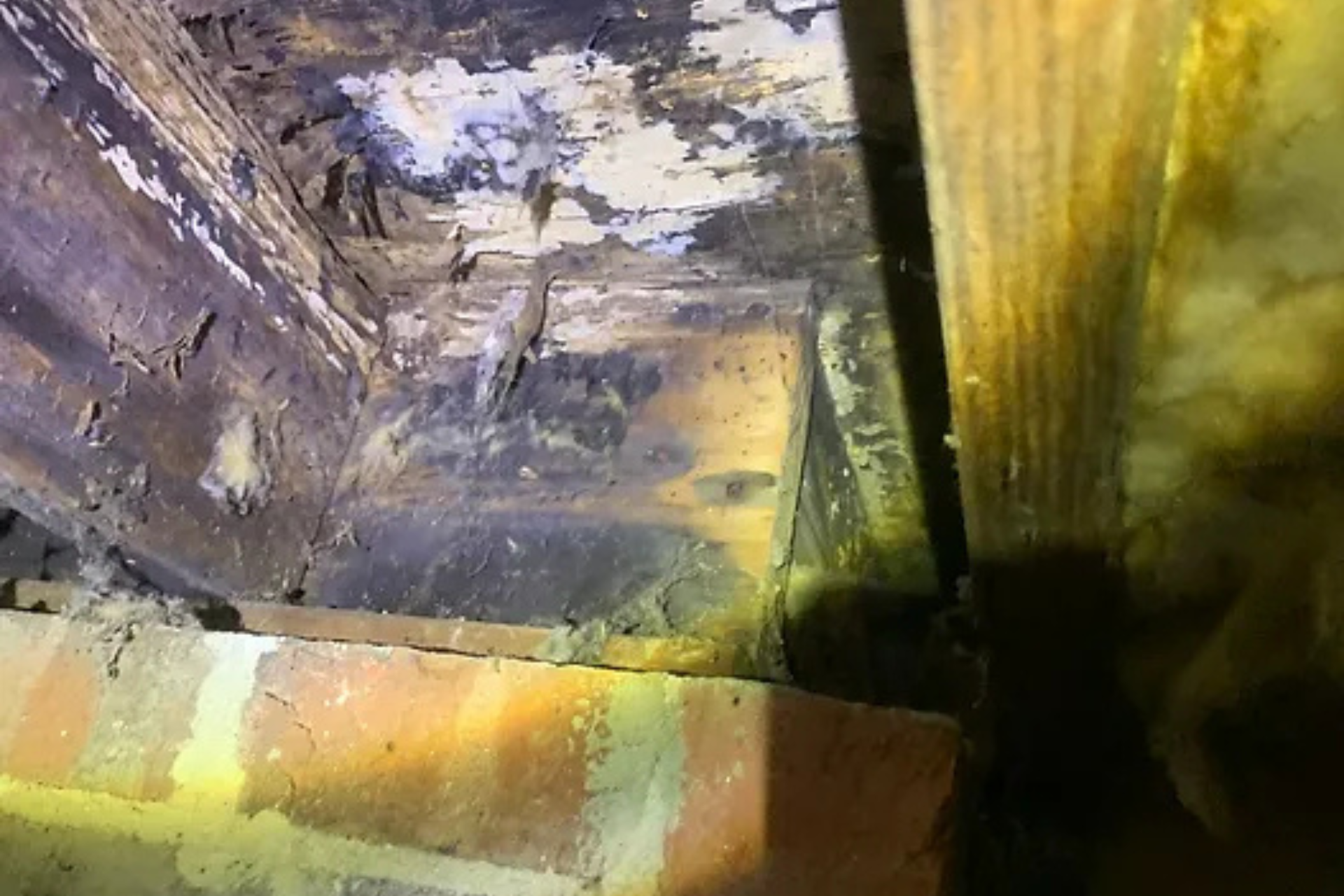
A close up of a piece of wood in a room with a brick wall.
January 16, 2025
Crawlspaces are one trouble area that homeowners rarely enter, yet they are the cause of so many costly issues. Not only could a deteriorated crawlspace cost you tens of thousands of dollars in repairs, more importantly, they can cost your family their health. Pait Home Inspections of North Carolina can provide you with your maintenance inspection, new purchase inspection or pre-listing inspection and help prevent costly issues that may be discovered too late.
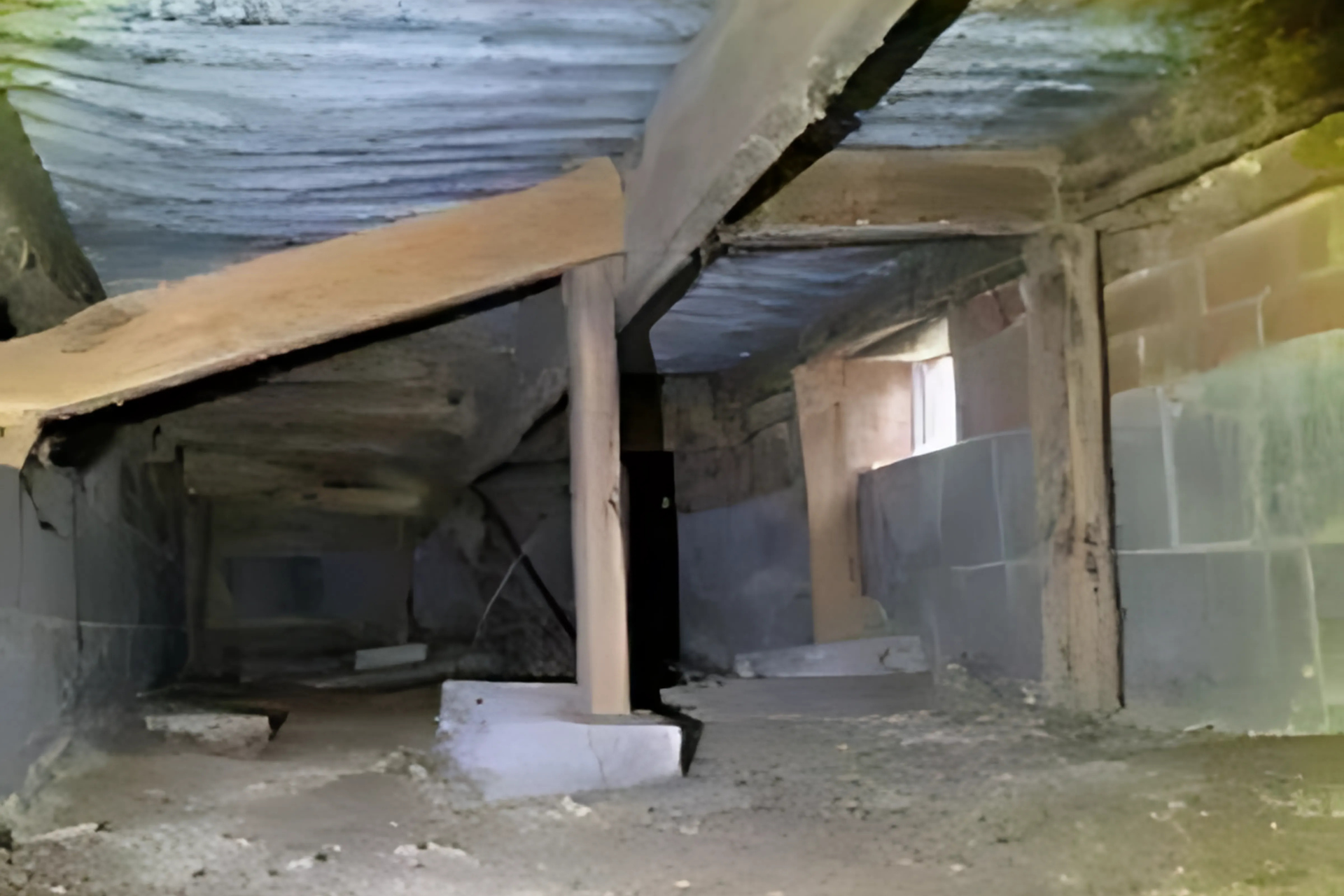
A very dark room with a wooden floor and a brick wall.
October 3, 2024
Off grade, or homes with a crawlspace, can experience sagging or bouncy floor systems as the home settles. Many homeowners take the do-it-yourself approach and attempt to perform the repairs themselves. While this may save them money in the short term, these repairs are typically temporary, performed incorrectly and will require proper repair before they sell their home. As a home inspector , I run across improper repairs routinely. Dry stacked bricks or masonry CMU blocks are commonly used. Dry stacking bricks is one of the least appropriate forms of a temporary repair. Any lateral movement of settlement will cause the bricks to lean and fail. A proper concrete footing and mortar between each coarse of brick or block would give the appropriate compression and lateral support. Grout filling the CMU cell (filling them with concrete) is ideal. Typically, a 24″x24″x4″ concrete pad is used to support the masonry piers. Be sure to check with a local contractor or engineer to verify this is appropriate in your area.